Favor in times of Trouble

The Blessing of Mordecai: God’s Favor in Times of Crisis
Bible students and believers curious about Old Testament heroes will find Mordecai’s story both inspiring and instructive. This faithful Jewish exile received extraordinary divine favor during one of Israel’s darkest hours in Persia, showing how God works behind the scenes to protect His people.
We’ll explore the remarkable story behind Mordecai’s blessing and how his courage saved an entire nation from genocide. You’ll also discover the spiritual lessons his life teaches about trusting God’s timing and standing firm in your faith, plus practical ways to apply these timeless principles to challenges you face today.
Mordecai’s journey from palace gatekeeper to second-in-command reveals how God can transform ordinary faithfulness into extraordinary blessing.
Who Was Mordecai: Understanding the Biblical Figure
Mordecai’s family background and relationship to Esther
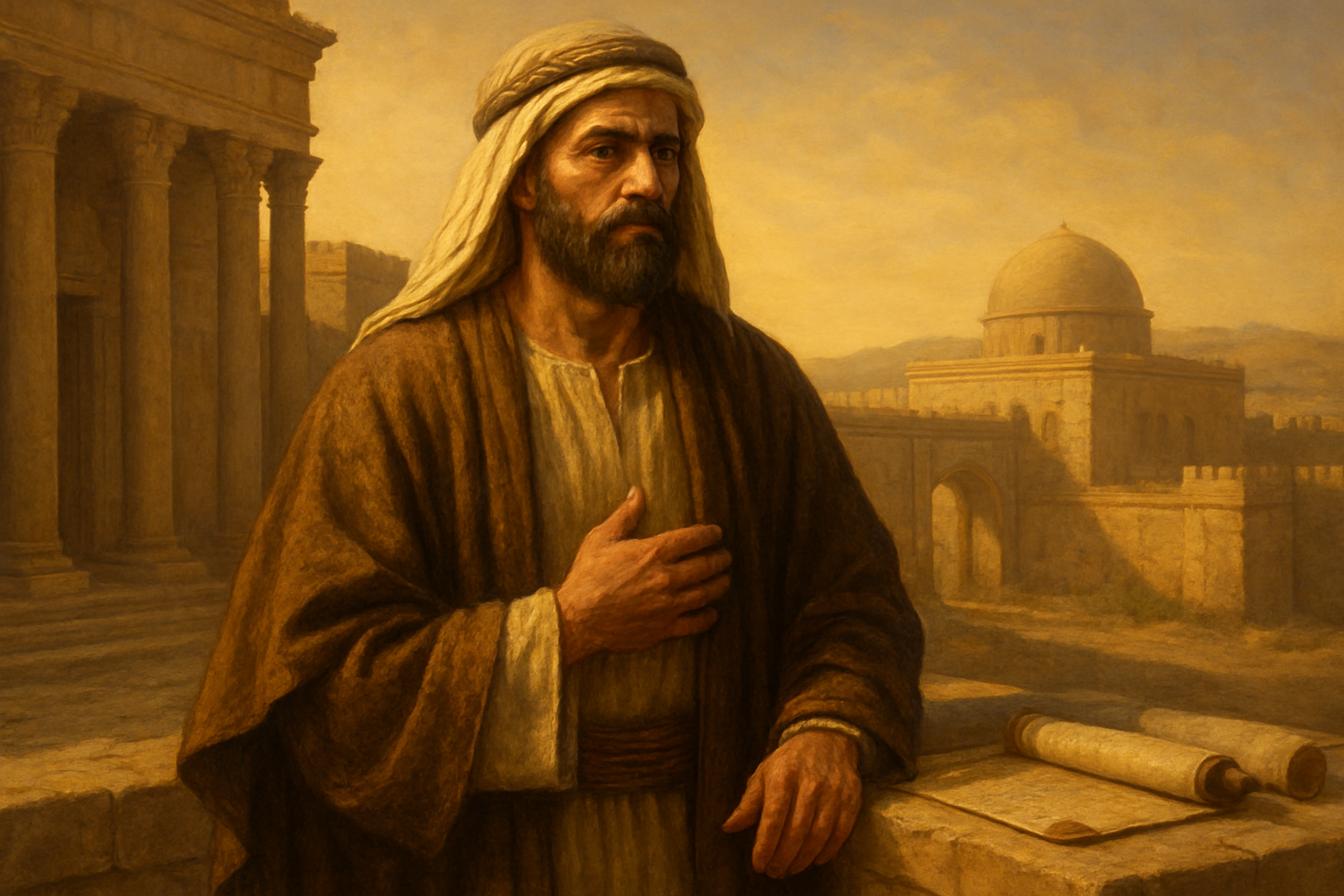
Mordecai wasn’t just some random character in the Bible – he was actually Esther’s cousin who raised her as his own daughter after her parents died. The book of Esther tells us he was “a Jew of the tribe of Benjamin” whose ancestors were among those exiled from Jerusalem by King Nebuchadnezzar of Babylon.
His family tree is pretty interesting. He was “the son of Jair, the son of Shimei, the son of Kish” – which means he might have been related to King Saul (Israel’s first king). Talk about royal connections! This family background gave him a strong sense of Jewish identity, even while living in a foreign land.
When Esther (whose Hebrew name was Hadassah) lost her parents, Mordecai stepped up and took her in. Their bond went beyond the typical guardian-ward relationship – he continued guiding her even after she became queen.
His position in the Persian court
Mordecai wasn’t sitting at the king’s dinner table, but he wasn’t a nobody either. He worked “at the king’s gate” – basically the administrative center of the Persian government. Think of it as being a mid-level civil servant with access to important information.
This strategic position let him:
- Hear royal proclamations before most people
- Stay connected to palace happenings
- Keep tabs on Esther’s situation
- Learn about Haman’s plot against the Jews
His job put him in exactly the right place to discover the assassination plot against King Xerxes. Talk about being in the right place at the right time!
Character traits that made him remarkable
Mordecai wasn’t your average biblical figure. What made him stand out?
First, his unwavering integrity. When everyone else bowed to Haman, Mordecai refused. Not out of stubbornness, but from deep religious conviction. He wouldn’t compromise his beliefs even when it put his life at risk.
His courage was off the charts. Imagine standing up to the second most powerful man in the empire! When Haman plotted genocide against the Jews, Mordecai didn’t flee – he faced the threat head-on.
Mordecai’s wisdom shines throughout the story. His famous words to Esther – “Who knows whether you have come to the kingdom for such a time as this?” – show his ability to see God’s hand working behind the scenes.
Most impressively, Mordecai remained humble despite eventually rising to become second-in-command to the king. Power didn’t corrupt him – he used his position to protect his people and promote peace.
The Story Behind Mordecai’s Blessing
A. The plot against King Xerxes
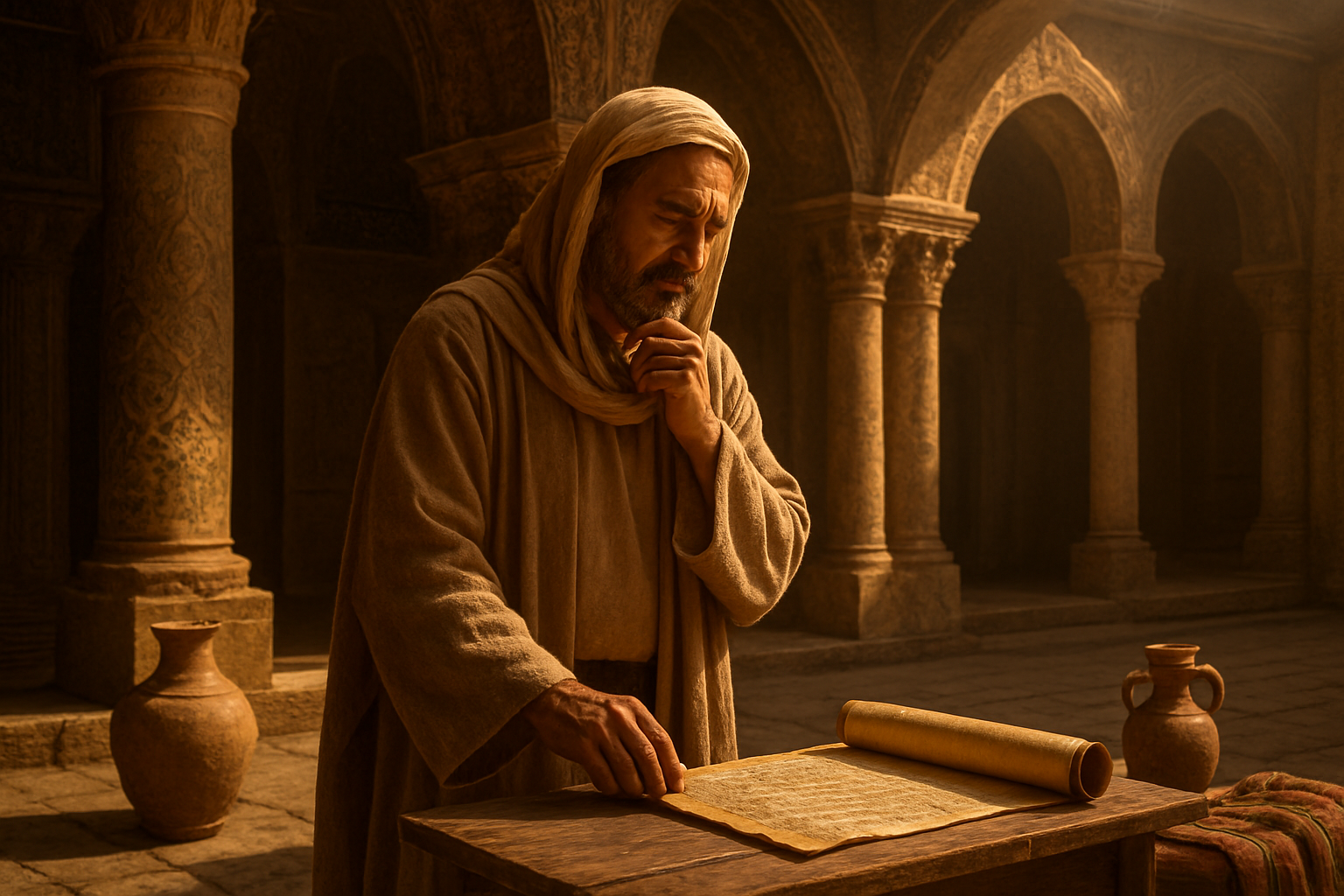
Ever wondered how a single act of loyalty could change someone’s destiny? In ancient Persia, King Xerxes faced a deadly threat right under his nose. Two of his chamberlains, Bigthan and Teresh, weren’t just disgruntled employees – they were plotting to assassinate the king.
These palace officials had access, opportunity, and a burning desire to end Xerxes’ reign. Their whispered plans might have succeeded if not for one man who happened to be in the right place at the right time.
B. Mordecai’s loyalty and intervention
That man was Mordecai, a Jewish exile living in Susa. Unlike many who’d turn a blind eye to protect themselves, Mordecai took action. When he overheard the assassination plot, he didn’t hesitate.
Through his cousin Esther – who had become queen through an unlikely series of events – Mordecai passed word to the king. The plot was investigated, found to be true, and the conspirators were executed.
Strangely, Mordecai’s heroic deed was recorded in the king’s chronicles but otherwise forgotten. No reward, no recognition – just an entry in a dusty royal logbook.
C. Haman’s hatred and conspiracy
Meanwhile, Haman had risen to become the king’s right-hand man. Power-hungry and ego-driven, he expected everyone to bow before him. Everyone did – except Mordecai.
This defiance drove Haman crazy. Instead of dealing with just one man, Haman decided to eliminate Mordecai’s entire people. He manipulated King Xerxes with half-truths about the Jews being disloyal and secured a royal decree to annihilate them all. The date was set by casting lots (called “pur”), and the Jewish people faced extinction.
D. The dramatic reversal of fortune
The story takes a stunning turn when the king, suffering from insomnia, has the royal records read to him. Suddenly, Mordecai’s forgotten deed comes to light.
Just as Haman arrives to request Mordecai’s execution, the king asks: “What should be done for the man the king delights to honor?”
Thinking the king meant him, Haman suggests lavish recognition. Imagine his horror when ordered to bestow these honors on Mordecai – the very man he despised!
This reversal snowballs. Esther reveals her Jewish identity and Haman’s plot. The tables turn completely: Haman hangs on the gallows he built for Mordecai, while Mordecai receives the king’s signet ring and becomes second-in-command.
From ordinary citizen to royal advisor, from potential victim to savior of his people – Mordecai’s blessing wasn’t just personal success but the deliverance of an entire nation.
The Nature of Mordecai’s Blessing
A. From sackcloth to royal robes
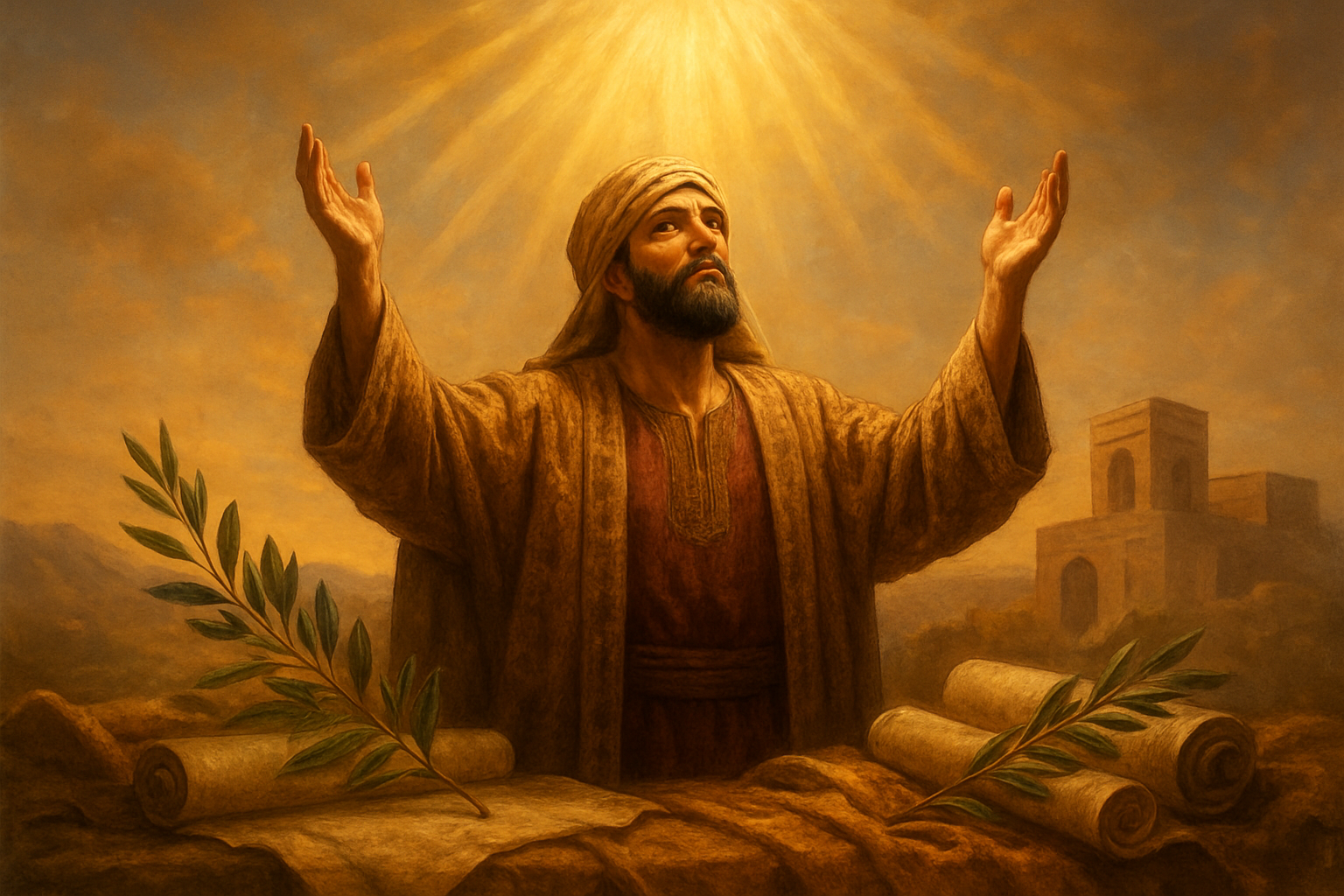
Mordecai’s transformation is nothing short of extraordinary. One minute he’s sitting in sackcloth at the king’s gate, mourning the impending genocide of his people. The next? He’s decked out in royal robes, parading through the streets of Shushan on the king’s own horse.
Talk about a glow-up.
What makes this reversal so stunning is how complete it was. Haman, who plotted Mordecai’s execution, ended up having to honor him publicly. The very man who wanted Mordecai dead was forced to announce: “This is what is done for the man the king delights to honor!”
B. Elevation to second-in-command
After Haman’s downfall, Mordecai didn’t just receive a nice thank-you note from King Ahasuerus. He was given Haman’s position, his estate, and the king’s signet ring. This wasn’t just a promotion—it was a complete power transfer.
Mordecai went from outsider to insider, from marginalized to powerful, from threatened to threatening. The text tells us plainly: “Mordecai was great in the king’s house, and his fame spread throughout all the provinces.”
C. Influence on Persian policy
With the king’s signet ring came the power to shape empire-wide policy. Mordecai didn’t waste this opportunity. He immediately drafted new edicts allowing Jews to defend themselves against their enemies.
What’s remarkable is how Mordecai wielded this newfound power. He didn’t seek personal revenge. Instead, he focused on protecting his people and establishing justice in the empire.
His influence extended to administrative matters too. The book tells us that Mordecai “sought the welfare of his people and spoke peace to all his people.” He wasn’t just looking out for Jewish interests but promoting harmony throughout the Persian empire.
D. Saving the Jewish people from genocide
The centerpiece of Mordecai’s blessing was the salvation of his people. When Haman’s genocidal plot was revealed, Mordecai didn’t just save himself—he orchestrated the rescue of Jews throughout all 127 provinces of Persia.
The initial decree couldn’t be revoked (Persian law was weird like that), but Mordecai’s counter-decree gave Jews the right to defend themselves. And defend themselves they did! What was planned as a day of Jewish destruction became a day of Jewish victory.
The text records that “no one could stand against them, for the fear of them had fallen on all peoples.” From victims to victors—that’s the Mordecai effect.
E. Establishing the feast of Purim
Mordecai’s final blessing was ensuring this deliverance wouldn’t be forgotten. Together with Queen Esther, he established the feast of Purim, a celebration that continues to this day.
He sent letters “to all the Jews who were in all the provinces” establishing this annual commemoration. It wasn’t just a party but a profound religious observance marked by four elements:
- Feasting and gladness
- Gift-giving to friends
- Charity to the poor
- Reading the Megillah (Esther’s story)
By instituting Purim, Mordecai ensured that God’s deliverance would be remembered for generations. And indeed, over 2,500 years later, Jewish communities worldwide still celebrate this feast, recounting how Mordecai’s blessing became their blessing too.
Spiritual Lessons from Mordecai’s Blessing

A. Divine timing and “for such a time as this”
Mordecai’s famous words to Esther, “Who knows whether you have come to the kingdom for such a time as this?” carry profound spiritual weight. They remind us that our positions and circumstances aren’t random—they’re divinely orchestrated.
Ever wonder why you’re in a specific job, neighborhood, or relationship? Maybe you’re there by divine appointment.
The beauty of Mordecai’s perspective is that it eliminates coincidence. In God’s economy, timing isn’t accidental—it’s intentional. When Mordecai recognized this truth, he didn’t panic about Haman’s plot; instead, he saw an opportunity for God to work through Esther.
This principle works in our lives too. That unexpected promotion? That random connection with someone who later becomes crucial to your journey? That’s divine timing.
B. Faithfulness in small matters leads to greater responsibility
Before Mordecai uncovered assassination plots or advised queens, he was simply a faithful exile living according to his convictions.
His journey illustrates a timeless spiritual principle: faithfulness in small things precedes authority in big things. When Mordecai consistently demonstrated integrity in obscurity, he was being prepared for a larger stage.
His progression wasn’t overnight. First, he raised his orphaned cousin. Then he sat at the king’s gate—a seemingly minor position. Yet his faithful presence there positioned him to overhear the assassination plot.
The pattern is clear:
- Be faithful where you are
- Excel in what seems small
- Prepare for unexpected promotion
C. Standing firm against injustice
Mordecai’s refusal to bow to Haman wasn’t mere stubbornness—it was principled courage.
When faced with an edict that violated his conscience, Mordecai chose integrity over conformity. He didn’t calculate the cost-benefit ratio or take the easy way out. He simply refused to compromise, even when every other official complied.
This stand nearly cost him everything. Haman’s rage led to a genocide plot against all Jews—yet Mordecai remained resolute.
His example challenges us: Will we bend when pressure mounts? Or will we stand firm when injustice threatens?
True spiritual courage isn’t absence of fear—it’s choosing right despite the consequences.
D. The reward of integrity
Mordecai’s story doesn’t promise that integrity always leads to earthly reward. But in this case, the contrast is striking.
The man who planned Mordecai’s execution ended up leading his honor parade. The gallows built for Mordecai eventually held Haman. The position Haman cherished eventually went to Mordecai.
This dramatic reversal wasn’t just poetic justice—it was divine vindication.
Integrity’s rewards aren’t always immediate or material. Sometimes they’re found in peace of conscience, in spiritual growth, or in the legacy we leave. But Mordecai’s story reminds us that God sees faithfulness, even when others don’t.
His journey from the king’s gate to the king’s right hand wasn’t just a political promotion—it was a spiritual affirmation that standing for truth ultimately matters.
Modern Applications of Mordecai’s Blessing

Finding purpose in unexpected places
Ever noticed how life’s detours often lead to the most meaningful destinations? Mordecai’s story speaks directly to this truth. He didn’t plan to become the king’s advisor or his people’s savior—he was just raising his orphaned cousin.
But that’s exactly where many of us find ourselves: in situations we didn’t choose, facing challenges we didn’t anticipate. The blessing of Mordecai teaches us that purpose often hides in plain sight, in the daily acts of faithfulness that seem insignificant.
What if your current struggle is actually preparing you for something greater? Mordecai’s position at the king’s gate—a seemingly modest role—positioned him perfectly to uncover the assassination plot and later influence kingdom policy.
Your seemingly random job? Your challenging relationship? That unexpected move to a new city? These might be the very places God is positioning you for impact.
Courage to speak truth to power
Mordecai didn’t mince words when addressing dangerous situations. When he discovered the plot against the king, he spoke up. When Haman’s genocidal plan emerged, he refused to bow and urged Esther to use her influence.
Speaking truth to power isn’t just for biblical heroes. It’s for:
- The employee who respectfully challenges unethical practices
- The parent who advocates for their child in an unjust system
- The citizen who stands for justice when it’s unpopular
The cost of silence is always greater than the risk of speaking up. Mordecai understood this when he told Esther, “Who knows whether you have come to the kingdom for such a time as this?”
Recognizing divine orchestration in our lives
The book of Esther never directly mentions God, yet His fingerprints are all over the story. Mordecai’s blessing came through recognizing the divine orchestration behind seemingly random events.
Think about it. What are the odds that:
- His orphaned cousin would become queen
- He would overhear assassins plotting
- The king would suffer insomnia on the exact night needed to remember Mordecai’s unrewarded service
Life’s “coincidences” rarely are. The Mordecai blessing invites us to see our lives through the lens of divine purpose rather than random chance.
When you look back at your life’s twists and turns, can you spot the patterns? The doors that closed leading to better opportunities? The relationships that formed at just the right moment?
Using influence to protect the vulnerable
Mordecai’s ultimate blessing wasn’t personal wealth or status—it was the ability to protect his people. His influence became a shield for the vulnerable.
We all have spheres of influence:
- Parents shaping children’s values
- Managers affecting workplace culture
- Community members supporting those in need
The measure of true blessing isn’t what we gain but what we’re able to give. Mordecai used his unexpected position to create policies protecting the Jewish people.
Your influence might seem small compared to a royal advisor’s, but never underestimate how your words, actions, and advocacy can create ripples of protection for others. Whether you’re mentoring someone struggling, donating resources, or simply using your voice to speak for those silenced—you’re walking in Mordecai’s footsteps.
Mordecai’s blessing exemplifies how steadfast faith and courage can lead to divine favor, even in the most challenging circumstances. As Esther’s guardian and a man of unwavering integrity, Mordecai’s rise from a humble Jewish exile to the king’s trusted advisor demonstrates how remaining true to one’s values can result in unexpected blessings. His story teaches us about divine timing, the importance of using our positions of influence for good, and how maintaining faith during trials often precedes significant breakthroughs.
Today, we can apply Mordecai’s example by standing firm in our convictions, advocating for justice, and recognizing the divine purpose in our circumstances. When we face our own “such a time as this” moments, Mordecai’s story reminds us to act with courage and integrity, trusting that our faithfulness matters. Like Mordecai, we may find that our greatest blessings come through challenges that initially appear as obstacles, ultimately revealing God’s providential care in our lives.
 CASTIN-GRACE