
The Bible contains prayers that might shock modern readers—passionate pleas for God’s judgment against enemies that include calls for destruction and divine wrath. These “violent prayer” passages, known as imprecatory psalms, appear throughout Scripture and raise important questions for Christians, Bible students, and anyone studying ancient religious texts.
These intense biblical prayers aren’t random outbursts of anger. They serve specific purposes within Scripture’s broader message and reflect the raw honesty of people crying out to God during times of persecution and injustice.
We’ll explore the most striking examples of these harsh prayers in the Old Testament, examining what they meant to their original audiences. You’ll also discover how theologians interpret these difficult passages within the context of God’s character and justice. Finally, we’ll address how modern believers can understand these prayers while embracing the New Testament’s emphasis on love and forgiveness.
Understanding Imprecatory Psalms and Their Purpose

Definition and characteristics of violent biblical prayers
Imprecatory psalms represent some of the most challenging passages in Scripture, containing vivid language that calls for God’s judgment upon enemies. These prayers don’t hold back—they ask for destruction, death, and divine retribution against those who oppose God and His people. Psalms 35, 69, 109, and 137 stand out as prime examples, featuring requests for enemies to be trapped, humiliated, and utterly defeated.
The Hebrew word “imprecate” means to invoke evil or curse upon someone, and these psalms do exactly that through poetic language that can feel jarring to modern readers. They often include appeals for orphaning children, destroying families, and bringing swift judgment. What makes them unique isn’t just their harsh tone, but their honest expression of raw human emotion directed toward God rather than taken into personal hands.
These prayers share common characteristics: they typically begin with a cry for help, describe the injustice being faced, call for divine intervention, and often end with praise for God’s righteousness. The psalmists present their case before God as if in a courtroom, asking the ultimate Judge to render verdict and punishment.
Historical context of ancient Near Eastern warfare
Ancient warfare shaped the worldview behind these prayers in ways we can barely imagine today. Combat wasn’t just about territory or resources—it represented cosmic battles between gods and their peoples. When enemies attacked Israel, they weren’t simply threatening political boundaries; they were challenging Yahweh Himself and His covenant promises.
The ancient Near East operated under different moral frameworks than our modern democratic societies. Kings ruled with absolute authority, and justice came through decisive action rather than lengthy judicial processes. Mercy toward enemies was often viewed as weakness that invited further attacks. Neighboring cultures practiced brutal warfare tactics including siege warfare that starved entire populations, ritual humiliation of captives, and the complete destruction of conquered cities.
Israel’s enemies regularly employed tactics designed to terrorize: displaying severed heads, torturing prisoners publicly, and deliberately targeting civilians including children and the elderly. The Assyrians, Babylonians, and other regional powers built their reputations on fear, documenting their cruelty in art and literature. When psalmists called for similar treatment toward their oppressors, they spoke from lived experience of such brutality.
The covenant relationship between God and Israel also influenced these prayers. Attacks on God’s people weren’t just political conflicts—they represented challenges to divine authority and promised protection. The psalmists appealed to God’s honor and faithfulness, asking Him to vindicate His name through judgment.
Literary genre and poetic expression in Scripture
Hebrew poetry operates differently from modern verse, using parallelism, metaphor, and hyperbole to convey emotional truth rather than literal description. Imprecatory psalms employ these literary devices to express the intensity of injustice and the corresponding desire for divine intervention. The vivid imagery—enemies falling into their own traps, being swept away like chaff, or stumbling in darkness—serves poetic rather than literal purposes.
These psalms function as laments, a specific genre in Hebrew literature that follows predictable patterns. They move from complaint to petition to confidence in God’s response. The harsh language serves to emphasize the severity of the situation and the urgent need for divine action. Just as we might say “I could kill him” without literally meaning murder, ancient poets used extreme language to convey extreme circumstances.
The communal nature of many imprecatory psalms also matters for interpretation. These weren’t private vendettas but community prayers addressing threats to the entire covenant people. Temple worship included these psalms as legitimate expressions of faith, recognizing that God’s people face real enemies and need real protection.
Understanding the psalms as inspired poetry rather than historical narrative or prophetic prediction helps us appreciate their emotional honesty while avoiding literal application of their specific requests for judgment.
Distinction between personal vengeance and divine justice
The crucial difference between imprecatory psalms and personal revenge lies in their appeal to divine rather than human judgment. The psalmists consistently place their cases before God’s tribunal rather than taking matters into their own hands. They recognize that ultimate justice belongs to the Lord and trust Him to act according to His perfect knowledge and timing.
Personal vengeance operates from selfish motives, incomplete knowledge, and disproportionate emotion. It seeks immediate satisfaction and often escalates conflicts. Divine justice, however, considers all factors, weighs hearts and motives, and responds with perfect righteousness. The psalmists surrender their desire for retribution to God’s superior judgment while expressing their pain and desire for vindication.
These prayers also reflect concern for God’s reputation and covenant faithfulness rather than purely personal grievances. When enemies mock God’s people, they mock God Himself. The psalmists appeal to God’s honor, asking Him to vindicate His name and demonstrate His power to protect those who trust in Him. This shifts the focus from personal satisfaction to divine glory.
The psalms teach us that anger over injustice can be righteous when directed properly. Instead of harboring bitterness or plotting revenge, believers can bring their strongest emotions to God in prayer, trusting Him to respond appropriately. This transforms potentially destructive feelings into acts of faith and surrender.
Key Examples of Violent Prayers in Scripture

Psalm 137 and prayers against Babylon
Psalm 137 stands as one of the most shocking examples of violent prayer in Scripture. The psalm begins beautifully with the haunting image of exiles weeping by Babylon’s rivers, remembering Jerusalem. But the final verses take a dark turn that makes many modern readers uncomfortable: “Happy is the one who seizes your infants and dashes them against the rocks” (Psalm 137:9).
This prayer represents the raw anguish of a people who witnessed unspeakable atrocities. The Babylonians had destroyed Jerusalem, burned the temple, and carried away the survivors into exile. Worse still, they mocked the captives, demanding songs of Zion for their entertainment. The psalmist’s violent imagery reflects the exact treatment Babylon had inflicted on Jewish children during the siege.
Rather than sanitizing these emotions, Scripture preserves this brutal honesty. The prayer doesn’t represent God’s command but captures human response to trauma and injustice. The psalmist brings his darkest thoughts directly to God instead of harboring them or acting upon them personally.
Psalm 109 and curses upon enemies
Psalm 109 contains perhaps the most extensive collection of curses in the entire Bible. David unleashes a torrent of imprecations against his accusers: “May his days be few; may another take his place of leadership. May his children be fatherless and his wife a widow” (verses 8-9). The psalm continues with wishes for poverty, homelessness, and complete destruction of his enemy’s family line.
These aren’t casual requests for minor inconveniences. David asks for his opponent’s complete annihilation – personal, familial, and generational. He wants creditors to seize everything, strangers to plunder his wealth, and no one to show his children kindness. The intensity feels almost breathless, as though years of pent-up frustration pour out in a single prayer.
What makes this psalm particularly striking is David’s context. He faces false accusations from people he trusted, including close friends who turned against him. His enemies repay his kindness with hatred and his love with accusation. The betrayal cuts deep, and David doesn’t pretend otherwise when he talks to God.
The psalm reveals how Scripture handles the full spectrum of human emotion. Instead of demanding superficial politeness in prayer, God welcomes David’s raw anger and desire for justice, even when those desires take extreme forms.
Jeremiah’s complaints and calls for retribution
Jeremiah’s prayers contain some of the most personal and vindictive language directed at enemies in prophetic literature. Known as the “weeping prophet,” Jeremiah faced constant persecution for delivering God’s unpopular messages to Judah. His prayers reflect the toll this opposition took on his spirit.
In Jeremiah 11:20, he prays, “But you, Lord Almighty, who judge righteously, who test the heart and mind, let me see your vengeance on them, for to you I have committed my cause.” This prayer emerges after his own relatives in Anathoth plotted to kill him for prophesying in God’s name.
Jeremiah 18:21-23 contains even harsher requests. After discovering another assassination plot, Jeremiah prays for his enemies’ children to face famine, their men to die by plague and sword, and their wives to become childless widows. He asks God not to forgive their crimes or blot out their sin from divine sight.
These aren’t abstract theological statements but deeply personal cries from a man whose life was repeatedly threatened for faithful service. Jeremiah’s complaints show how ministry and obedience to God sometimes lead to isolation and danger rather than blessing and success.
His prayers demonstrate that questioning God’s justice and asking for vindication against enemies doesn’t disqualify someone from faithful service. God continued using Jeremiah despite – or perhaps because of – his honest wrestling with suffering and injustice.
Theological Framework for Interpreting Harsh Prayers

God’s Sovereignty Over Justice and Judgment
God’s absolute authority over justice forms the bedrock for understanding violent prayers in Scripture. These prayers aren’t human attempts to manipulate divine action, but rather appeals to the ultimate Judge who sees all and knows all. When David cries out for his enemies to be destroyed, he’s essentially saying, “God, you see what they’ve done—now act according to your perfect justice.”
The psalmists understood something we sometimes forget: God’s justice isn’t optional or negotiable. Evil cannot go unpunished forever. When believers pray imprecatory prayers, they’re acknowledging God’s role as the final arbiter of right and wrong. They’re not taking justice into their own hands but placing it squarely in God’s capable ones.
This perspective shifts our understanding completely. These prayers become expressions of faith in God’s character rather than vengeful outbursts. The pray-ers trust that God will handle justice better than they ever could.
Human Emotions Expressed Honestly Before God
Scripture never sanitizes human emotions or demands artificial spirituality. The violent prayers in the Bible demonstrate raw, unfiltered honesty before God—and that honesty is actually refreshing. David doesn’t pretend he’s okay when his enemies are trying to kill him. Jeremiah doesn’t put on a happy face when false prophets are leading people astray.
This emotional authenticity serves multiple purposes:
- Validation of human experience: Our anger, frustration, and desire for justice are real emotions that God already knows about
- Healthy processing: Better to pour out these feelings to God than to bottle them up or act on them destructively
- Trust in relationship: The psalmists felt safe enough with God to express their darkest thoughts
The Bible shows us people bringing their whole selves—including their ugly emotions—to God. This doesn’t mean every feeling is justified or should be acted upon, but it does mean God can handle our honesty.
Prophetic Fulfillment and Divine Timing
Many imprecatory psalms carry prophetic weight that extends far beyond the immediate circumstances. When David prays against his enemies, he’s often speaking prophetically about God’s ultimate victory over evil itself. These prayers point to eschatological realities—the final judgment, the defeat of Satan, and the establishment of God’s perfect kingdom.
The timing element is crucial here. What seems like delayed justice from a human perspective is actually perfect timing from God’s eternal viewpoint. The violent prayers acknowledge this tension between “already” and “not yet.” Evil will be defeated, but in God’s time and God’s way.
Consider how Psalm 2 speaks both to David’s immediate enemies and to the nations that will one day rage against God’s anointed. The prayer operates on multiple levels simultaneously.
Covenantal Curses and Blessings in Context
The Old Testament covenant structure provides essential context for understanding harsh prayers. God had established clear terms with Israel: obedience brings blessing, disobedience brings cursing. The imprecatory psalms often invoke these covenantal realities.
When David prays for God’s judgment on covenant-breakers, he’s appealing to promises God had already made. The Mosaic covenant outlined specific consequences for those who violated its terms. These prayers aren’t arbitrary requests for harm—they’re appeals for God to fulfill his stated intentions regarding justice.
| Covenant Element | Application in Prayer |
|---|---|
| Divine protection | Asking God to shield the righteous |
| Promised judgment | Invoking consequences for covenant violation |
| Restoration | Seeking God’s vindication of his people |
Understanding this covenantal backdrop helps modern readers see these prayers not as vindictive wishes but as appeals to God’s faithfulness to his own promises.
Practical Application for Modern Believers
Processing anger and injustice through prayer
When life hits you with betrayal, violence, or systemic injustice, the raw emotions that surface are completely human and valid. The Bible doesn’t ask us to stuff these feelings down or pretend they don’t exist. Instead, it offers a path through prayer that acknowledges the depth of our pain while directing our anger toward God’s throne rather than destructive actions.
The psalmists modeled this beautifully. They poured out their rage, confusion, and desperate pleas for vindication directly to God. This wasn’t pretty, sanitized prayer—it was gut-wrenching honesty about human suffering. When we follow their example, we create space for our emotions to be heard and held by the One who understands injustice better than anyone.
Bringing raw anger to God accomplishes something powerful: it prevents bitterness from taking root while giving voice to legitimate grievances. Rather than letting anger simmer and poison our hearts, we can exhaust it in God’s presence. He can handle our strongest emotions without being threatened or overwhelmed.
Surrendering vengeance to God’s perfect justice
The temptation for personal revenge burns strongest when we’ve been deeply wronged. Our sense of justice screams for immediate retaliation, for the satisfaction of seeing our enemies suffer as we have suffered. Yet Scripture consistently calls us to step back from the driver’s seat of vengeance and trust God’s perfect timing and methods.
Romans 12:19 reminds us that vengeance belongs to God, not because revenge is inherently wrong, but because only God possesses the complete knowledge and moral authority to execute perfect justice. Human revenge is always tainted by incomplete information, selfish motives, and disproportionate responses. God sees every hidden motivation, every consequence, and every opportunity for redemption that we miss.
Surrendering vengeance doesn’t mean becoming passive or failing to pursue justice through proper channels. We can still report crimes, seek legal recourse, and work for systemic change while releasing our personal need to see enemies suffer. This surrender actually frees us from the exhausting burden of monitoring whether our enemies are getting what we think they deserve.
Praying for enemies while acknowledging evil
Jesus’ command to pray for our enemies creates tension with the violent prayers of the Old Testament, but this tension doesn’t require us to ignore evil or pretend harm doesn’t hurt. We can honestly acknowledge wrongdoing while still seeking God’s best for those who have hurt us.
Praying for enemies might begin with asking God to stop their harmful actions and bring consequences that lead to repentance. We can pray for their eyes to be opened to the damage they’ve caused and for genuine transformation in their hearts. Sometimes this prayer feels impossible, and that’s okay—we can ask God to change our hearts so we can genuinely desire their good.
This practice protects us from dehumanizing our enemies or viewing them as irredeemable. When we pray for someone consistently, even through gritted teeth initially, we begin to see them as complex human beings capable of change rather than one-dimensional villains. This shift doesn’t excuse their actions but opens possibilities for healing that hatred cannot create.
Finding comfort in God’s ultimate vindication
The promise of God’s ultimate vindication provides deep comfort for those who suffer injustice that never seems to be made right in this life. While we may never see earthly justice for certain wrongs, God’s perfect knowledge ensures that nothing escapes his notice or judgment.
This vindication operates on God’s timeline, which often extends beyond our earthly lives. The comfort comes not from knowing when justice will arrive, but from trusting that it absolutely will arrive. Every hidden abuse, every covered-up crime, every act of oppression will be brought into the light and dealt with according to God’s perfect standards.
Living with this perspective transforms how we handle ongoing injustice. Instead of carrying the weight of making everything right ourselves, we can focus our energy on healing, helping others, and working for change while resting in God’s promise that ultimate justice is certain. This doesn’t diminish the importance of earthly justice systems, but it provides hope when those systems fail us completely.
Balancing Violent Prayers with New Testament Love
Jesus’ teachings on loving enemies
Jesus fundamentally shifted the conversation about how believers should respond to their enemies. His famous words from the Sermon on the Mount directly challenge the imprecatory tradition: “Love your enemies and pray for those who persecute you” (Matthew 5:44). This wasn’t merely a suggestion—it was a revolutionary commandment that redefined spiritual warfare.
When Peter drew his sword to defend Jesus in the garden, Christ’s response was telling: “Put your sword back in its place, for all who draw the sword will die by the sword” (Matthew 26:52). Jesus demonstrated this principle even while suffering on the cross, praying “Father, forgive them, for they do not know what they are doing” (Luke 23:34). His prayer wasn’t for divine judgment against his executioners but for their forgiveness.
The Golden Rule—”Do to others what you would have them do to you” (Matthew 7:12)—provides a practical filter for our prayers. Would we want someone praying for our destruction? Jesus’ teaching pushes us toward prayers that seek transformation rather than termination of our enemies.
Paul’s instructions on blessing persecutors
Paul, who knew persecution intimately, echoed Jesus’ revolutionary approach. His instruction in Romans 12:14 is crystal clear: “Bless those who persecute you; bless and do not curse.” This wasn’t theoretical theology for Paul—he lived it out while facing beatings, imprisonment, and constant threats.
The apostle expanded this concept by teaching believers to overcome evil with good (Romans 12:21). Instead of matching hatred with hatred, Paul advocated for a response that breaks the cycle of revenge. He wrote to the Corinthians about blessing when cursed and answering kindly when slandered (1 Corinthians 4:12-13).
Paul’s personal example is powerful. After being beaten and imprisoned in Philippi, he didn’t pray for God’s wrath on his jailers. Instead, he sang hymns and later prevented the jailer’s suicide, leading to the man’s conversion. This demonstrates how blessing enemies can become a pathway for God’s redemptive work.
Integration of Old and New Testament perspectives
The tension between violent psalms and New Testament love commands doesn’t require us to dismiss either testament. The key lies in understanding progressive revelation and Christ’s fulfillment of the law. The Old Testament imprecatory psalms expressed legitimate human emotions and desires for justice, while the New Testament provides the ultimate model for how believers should channel those feelings.
Both testaments affirm God’s justice and hatred of evil. The difference lies in how believers participate in that justice. David’s psalms often requested personal vindication through divine judgment. Jesus taught his followers to entrust vindication to God while actively loving their enemies.
| Aspect | Old Testament Approach | New Testament Approach |
|---|---|---|
| Response to enemies | Call for divine judgment | Pray for their salvation |
| Justice | Immediate vindication | Ultimate divine justice |
| Believer’s role | Request God’s action | Demonstrate God’s love |
The psalms help us understand that bringing raw emotions to God is acceptable—anger, hurt, and desire for justice are valid human responses. However, Christ’s example shows us how to process these emotions constructively. We can honestly express our pain to God while choosing to respond with love and forgiveness.
This integration doesn’t eliminate the desire for justice but redirects it. Instead of praying for our enemies’ destruction, we pray for their repentance. Instead of seeking their harm, we seek their healing. The ultimate goal shifts from personal vindication to God’s glory through redemption.
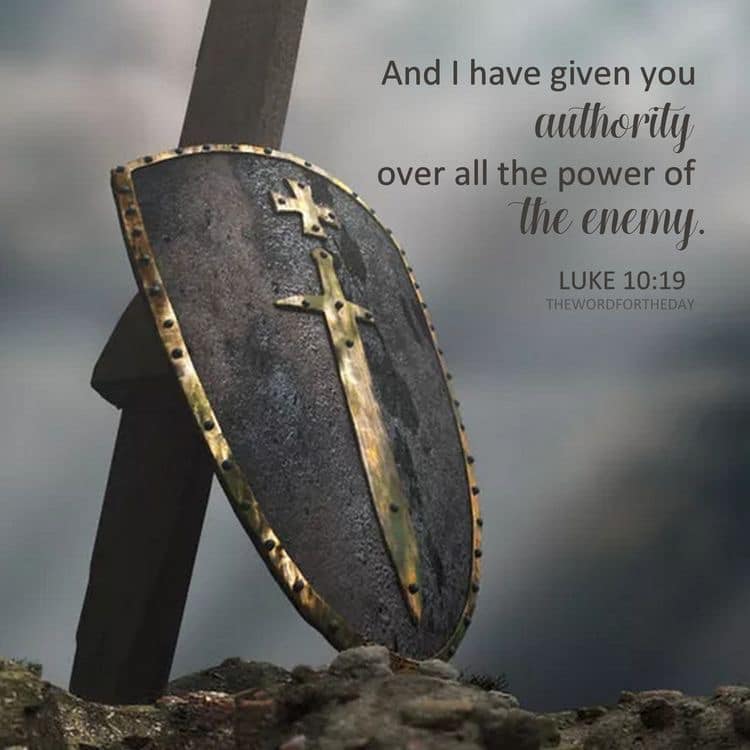
The violent prayers scattered throughout Scripture, particularly in the Imprecatory Psalms, aren’t relics of a primitive faith but honest expressions of human pain calling out for divine justice. These passages show us that God welcomes our rawest emotions and deepest struggles, even when they’re messy and uncomfortable. When we read about David asking God to crush his enemies or Jeremiah calling for vengeance, we’re seeing believers who trusted God enough to bring their darkest feelings directly to Him rather than acting on them.
For believers today, these passages offer a healthy outlet for anger and injustice while teaching us to trust God as the ultimate judge. Instead of vengeance, we can follow the psalmists’ example by pouring out our hearts to God and letting Him handle the situation. This doesn’t mean we ignore Christ’s call to love our enemies, but rather that we process our human emotions honestly before God so we can move toward forgiveness and grace. The next time you feel wronged or see injustice, remember that God can handle your anger – bring it to Him first, then let His love transform your heart.
 CASTIN-GRACE